Discover the top non-alcoholic rum brands in the UK – Let your taste buds sing Today!
We invite you to take a thrilling journey in the world that is non-alcoholic drinks which is where the appeal of non-alcoholic spirits is changing the drinking experience. In this article, we set out in a search to find the best non-alcoholic rums across the UK. Before we dive into the captivating world of zero-proof spirits, let’s discover an exciting new concept that’s revolutionizing the way we experience our beverages.
“The Non-Alcoholic Beverage Revolution
In the last few periods, there’s a significant change in the approaches people take to their alcohol options. The once-ubiquitous alcoholic options are now competing alongside their non-alcoholic counterparts. This isn’t just an fad, but rather a revolutionary change brought about by a blend of elements.
Lifestyle Choices and Health-Conscious Living
One of the major forces driving this change is the growing focus on wellbeing and health. The population is making informed decisions to live healthier lives and that includes their drinking routines. Alcohol-free beverages provide a guilt-free option, allowing consumers to get the pleasure of the flavors but without the alcohol content.
The Rise of Mindful Drinking
The mindful drinking aspect is another factor driving the rise in alcohol-free alternatives. It’s about enjoying every sip and being at the moment. Non-alcoholic drinks perfectly fit into this concept, offering a rich sensory experience without the intoxicant effects of alcohol.
These are the Flavors of Adventure
Alcohol-free alternatives, such as rum is capturing the essence of traditional alcohol drinks. They’re not stand-ins. they’re true tasting experiences. You’ll be able to taste the intense, rich and complex flavors of Rum without worrying about alcohol levels.
The Inclusivity Factor
These alcohol-free spirits are accessible serving a wide segment of the population, including teetotalers designated drivers, pregnant women and people who prefer not to drink. It’s all about ensuring everyone can join in on the excitement without feeling isolated.
In the wake of having a glimpse into the essence behind this beverage revolution, let’s find out what makes rum made without alcohol really unique. In the next section we’ll dig deeper into fascinating world of a non-alcoholic spirit by looking at its distinctive characteristics and the uniqueness that sets it distinct from conventional rum.
What’s Unique About Non-Alcoholic Rum?
Non-alcoholic Rum isn’t simply a substitute that it’s an entire category of its own, created to give you a true spirit of rum with no alcohol. In this article we’ll discover the details that make non-alcoholic rum distinct.
We will be exploring the world of non-alcoholic Rum and discover the best brands that are laying the scene for an exciting new kind of mindful drinking culture in the UK.
Let’s take a trip into the realm of non-alcoholic rum!
Boldly and italicize key terms and phrases such as: non-alcoholic beverage, mindful consumption, a taste experience, no-proof spirits, and alcoholic liquors to be optimized for search engines.
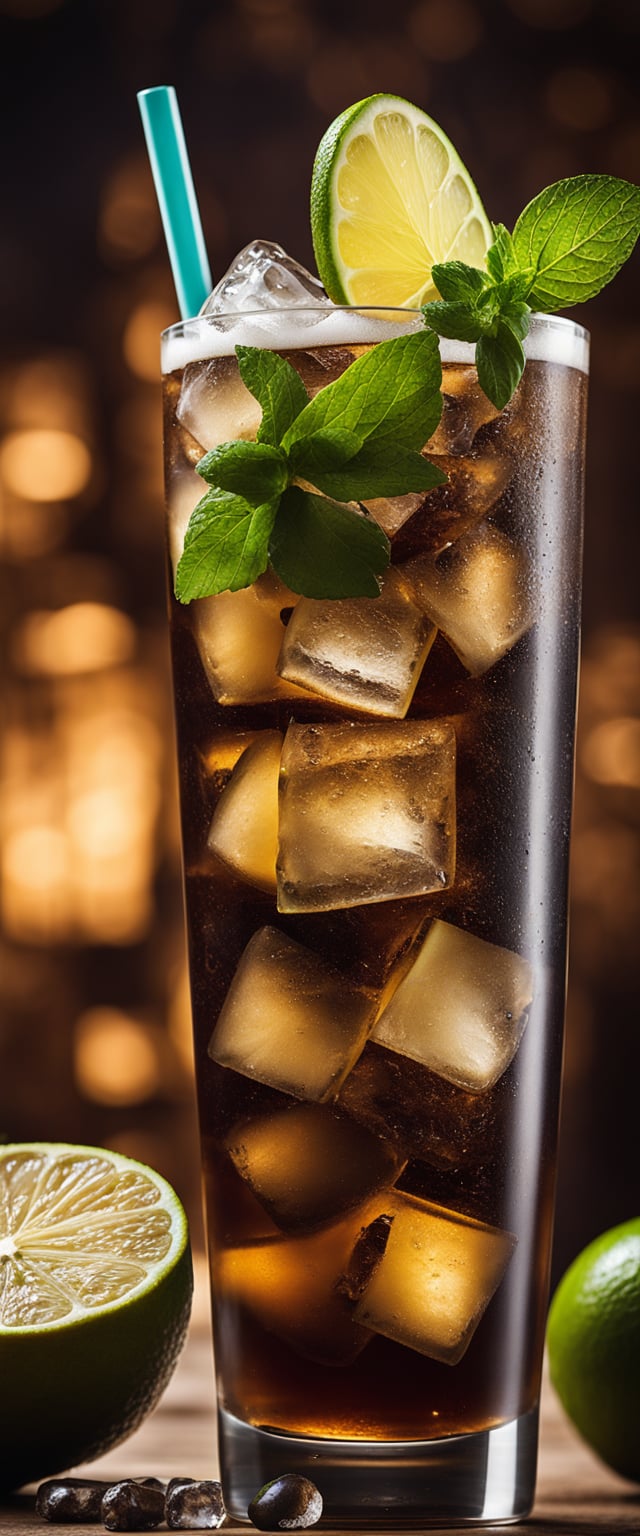
The distinct characteristics of non-alcohol Rum
We’re back for our exploration of non-alcoholic rum that reveals the factors that make this non-proof spirit truly unique. In this segment we’ll look into those distinctive characteristics that separate non-alcoholic rum apart from its alcoholic counterpart.
Crafting this Authentic Rum Experience. Authentic Rum Experience
Once you’ve thought of rum, what images come to mind? Maybe it’s the warm, woody scent, or perhaps the rich, complex flavors that dance on your palate. Rum that’s non-alcoholic captures every aspect from this spirit and this is how:
Flavor Profiles to Savor
Non-alcoholic Rum is made with an eye for the right flavor profile. You’ll discover options that reflect the sweetness of molasses, the spicy warmth, and the oakiness of old barrels. Every sip is a journey through the an era of rum’s flavors.
Unique Aromas
The flavor of rum is unmistakable and the non-alcoholic versions also deliver they faithfully. You’ll be greeted by the inviting smells of caramel, vanilla and tropical fruits, inviting you to discover the deepest parts of every bottle.
Versatility in Mixology
Whether you’re a professional mixologist or an enthusiast for home cocktails non-alcoholic rum can be used to make a cocktail that’s second to none. It’s the perfect ingredient to make classic cocktails such as the Mojito, PiA+-a Colada or cooling Rum Punch.
Zero-Proof, Not Zero Flavor
A common misconception regarding non-alcoholic drinks is that they are not as complex like alcohol. Non-alcoholic rum dispels this myth by providing full-bodied, delicious tastings:
Drinking and Fun with No Intoxication
Non-alcoholic spirits allow you to enjoy the delicious flavors, textures, and aromas of rum, without any alcohol-related side effects. This is ideal for parties where you’re looking to keep your focus and presence.
Health and Wellness
Zero-proof spirits are often lower in calories than alcohol counterparts, making the perfect selection for those looking to cut back on their caloric intake. You won’t even have to suffer the repercussions of excessive drinking.
We are all inclusive at its finest
Non-alcoholic rum is inclusive and welcomes everyone to take part in the fun of rum-infused cocktails. It’s an ideal choice for those who do not drink, irrespective of whether it’s by need or choice, ensuring everybody is included on occasions of celebration.
Resolving the UK’s thirst for Non-Alcoholic Excellence
The UK has witnessed a rise of demand for high-quality, non-alcoholic options, and non-alcoholic rum has stepped up to the challenge. In the next section We’ll be exploring the top brands of non-alcoholic rum available in the UK and guide you to the top choices for your drink with a conscious mind.
Prepare to experience the flavors of these remarkable brands, each offering unique perspectives on world of non-alcoholic rum.
Explore the essence non-alcoholic Rum.
Boldly and italicize key phrases that include zero-proof spirit profiles, mixology, inclusivity conscious drinking, and non-alcoholic rum to optimize for search engines.
Be sure to check back for the next article, where we’ll present the best non-alcoholic brands of rum in the UK!
Redefine Your Retail with Direct Bulk Orders from Swedish Distillers!
“The Crust of the Crop: Top Non-Alcoholic Rum Brands from the UK
In our pursuit to understand what is available in non-alcoholic spirits, we’ve arrived at the heart of our exploration where we’ve reached the United Kingdom, a region famous for its diversity and unique beverage culture. In this section we’ll give you a glimpse of the best non-alcoholic rum brands getting noticed in the UK.
The UK’s love of Mindful Drinking
Before we look into the brands for a second, we’ll take a moment to look at the rising trend of conscious drinking in the UK:
-
A Booming Market: The demand of non-alcoholic alternatives in UK has risen dramatically in recent years. People are increasingly seeking healthier, responsible alcohol alternatives.
-
Cultural Shift: Mindful drinking is not just the absence of alcohol; it’s about shifting the culture to the moderation of drinking and well-being. It’s about enjoying the social aspect of drinking alcohol without the negative effects.
-
Craftsmanship The UK’s reputation in the production of exceptional beverages extends to its alcohol-free spirits. Here, you’ll find some of the most excellent zero-proof options available.
The Top Alcohol-Free Rum Brands
Let’s raise our glasses (of non-alcoholic rum obviously) to the brands redefining the idea of zero-proof spirits:
1. Stryyk Not Rum
The Stryyk brand is a standout among the world of non-alcoholic rum. With precision and care, it preserves the essence and character of traditional liquor, and has hints of oakwood, vanilla, and a delicate sweetness. These versatile spirits are the ultimate mixologist’s drink which is ideal for the creation of classic cocktails with rum.
2. Rhum Dum
Rhum Dum presents an original twist to non-alcoholic Rum. Influenced by the Caribbean it gives you authentic tropical experiences with flavor notes of coconut and pineapple and a little bit of spice. Enjoy it in a PiA+-a Colada or take it in a glass for holiday in a glass.
3. Sea Arch Coastal Juniper
Although it’s not a rum, Sea Arch Coastal Juniper is a must-try for gin lovers. This coastal-inspired spirit offers the full spectrum of juniper, sea kelp, and other plants. It’s a reminder that alternatives that are not alcoholic go beyond the realm of rum.
4. Nonsuch Shrubs
Nonsuch Its Shrubs specialize in creating alcohol-free shrubs, that can be mixed into tasty cocktails that are influenced by rum. Their original flavors, like Pineapple & Star Anise or Blackcurrant and Juniper add a unique twist to your drinks.
5. The Duchess
The Duchess is an elegant alternative to traditional Rum. The G&T-inspired drinks, which are alcohol-free, such as Floral and Greenery, provide the perfect drinking experience for any occasion.
Where to Find These Gems
After you have learned about these amazing brands of non-alcoholic rum and you’re probably wondering where you can put these brands. Here are some options:
-
Online retailers There are many online retailers that specialize in non-alcoholic products, so it is easy to place an order and receive these drinks delivered right to your doorstep.
-
Local retailers Make sure to check with the local stores for liquor or beverage shops. The rising demand for non-alcoholic spirits has led to more options on store shelves.
-
Cocktail bars: Some cocktail bars now have non-alcoholic drinks menus with these brands. It’s a great way to sample them before purchasing.
Conclusion and What’s Next
As you can see, the United Kingdom’s non-alcoholic spirits market is growing, offering a wide array of options for conscious drinkers as well as those who wish to experience the flavors of rum minus the alcohol. In the following section we’ll go over how to make delicious cocktail cocktails that are not alcoholic, so you can drink these brands to their fullest.
Don’t miss out on a scrumptious journey through creative mixology with non-alcoholic rum!
Take a mindful approach to drinking by using the top non-alcoholic rum brands available in the UK.
Boldly and boldly highlight key terms such as mindful drinking, non-alcoholic brand of rum, creativity mixesologist’s dream, PiA+ Colada, authentic tropical experience, innovative flavors elegant drinking experience, creating delicious non-alcoholic rum cocktails as well as creative mixology for optimizing for search engines.
In the following section this week, we’ll get a taste out of the craft of making non-alcoholic rum cocktails and explore ways to mixology with spirit that has zero proof.
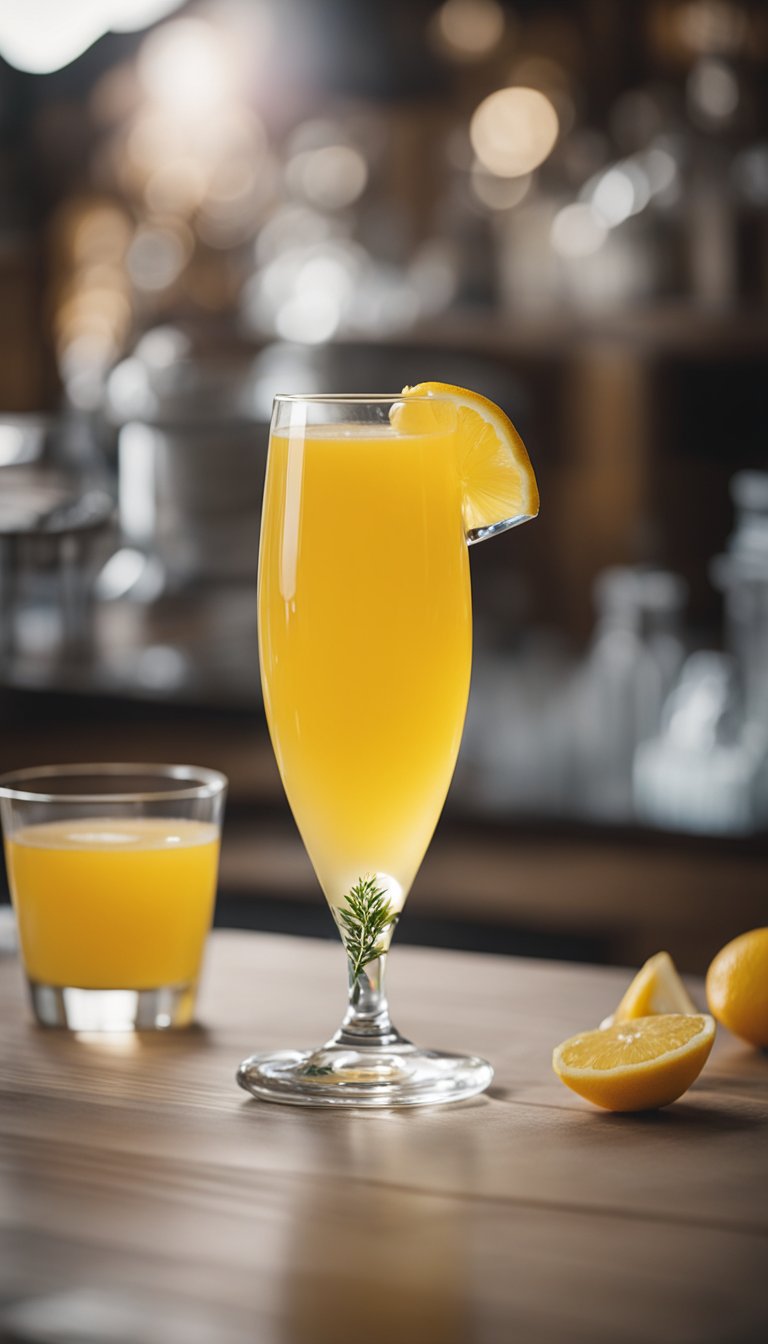
The Art of creating non-alcoholic rum Cocktails
Welcome to the 4th installment of our journey through the industry of non-alcoholic liquors available in the UK. In this installment, we’ll look into the innovative and exciting process of making non-alcoholic cocktail with rum. These concoctions are not just for teetotalers; they’re perfect for anyone wanting to enjoy the rich and varied flavors of rum without the alcohol content. We’re going to raise our zero-proof glasses and get ready for the most delicious experience!
What is the purpose of non-alcoholic Cocktails?
Before we start mixing, it’s important to be aware of the reasons why non-alcoholic rum cocktails have gained such popularity:
-
health consciousness A large number of people are becoming more conscious of their health, and they’re looking forward to enjoying beverages that fit with the goals they have for their wellbeing. Alcohol-free drinks are a guilt-free alternative.
-
designated drivers and mindful drinkers The designated drivers and those who are mindful drinkers deserve an exciting and delicious selection, too. Non-alcoholic drinks offer the perfect solution.
-
Cultural shift The perception of drinking is changing. Nowadays, people see cocktails as more than just alcohol delivery techniques; they view them as dining experiences.
Essential Ingredients
Now, let’s examine the essential ingredients you’ll require to make delicious non-alcoholic rum cocktails:
1. Non-Alcoholic Rum
The star of the show! Opt on one the wonderful brand of non-alcoholic spirits we spoke about in the earlier section. These are specially crafted to imitate the flavours of traditional rum. They are also alcohol-free.
2. Mixers, Juices and Mixers
-
Citrus Juices The fresh lemon, lime, and even orange juices can be must-haves in classic cocktails.
-
Syrups Simple syrup as well as grenadine and flavor syrups add sweetness and depth to your drinks.
-
Soda Water: Soda water is excellent for adding Effervescence to your creations.
3. Herbs and Spices
-
Mint perfect for mojitos and other refreshing cocktails.
-
Cinnamon This spice can add warmth and complexity to your beverages.
-
Nutmeg A few drops of nuts can increase the aroma of your cocktails.
4. The fruits as well as the garnishes
-
Fresh Fruit: Fruits like pineapple, berries, and citrus slices make eye-catching garnishes.
-
Olives for those delicious cocktails such as virgin Marys.
Traditional Non-Alcoholic Rum Cocktails
When you’ve got your ingredients, let’s take a look at the classic cocktails that are non-alcoholic:
1. Virgin PiA+-a Colada
-
Ingredients Non-alcoholic rum pure pineapple juice, crushed Ice.
-
Instructions: Blend all the ingredients until smooth. Serve in chilled glasses. It can be garnished with a slice or a peach as well as a cherry maraschino.
2. Mojito Mocktail
-
Ingredients Alcohol-free rum, fresh mint leaves, lime juice, simple syrup, soda water.
-
Instructions Mix fresh lime leaves with the mint in a glass, add simple syrup and non-alcoholic liquor, mix in soda water and some ice.
3. Zero-Proof Daiquiri
-
Ingredients Alcohol-free rum, lime juice, simple syrup.
-
Instructions: Shake all ingredients with ice and strain into glasses chilled.
Experiment and Create
The beauty of non-alcoholic cocktails is in the exploration. Don’t be afraid of being creative by adding unique ingredients or experiment with different garnishes. There are endless options, and you are able to customize the recipes to the preferences of your palate.
In our last segment, the journey will be concluded around the world that is non-alcoholic alcohol from the UK. Be ready for an intriguing final report and recap of all the fascinating insights which we’ve collected.
Discover the art of making non-alcoholic rum cocktails and elevate your mixology expertise.
Bold and italicize key terms: non-alcoholic rum cocktails, health-consciousness, mindful drinking, culinary experiences, essential ingredients, classic non-alcoholic rum cocktails, experiment and create to optimize for search engines.
As we get closer to the final leg of our journey, let’s begin to wrap up our exploration into the non-alcoholic UK spirits scene.
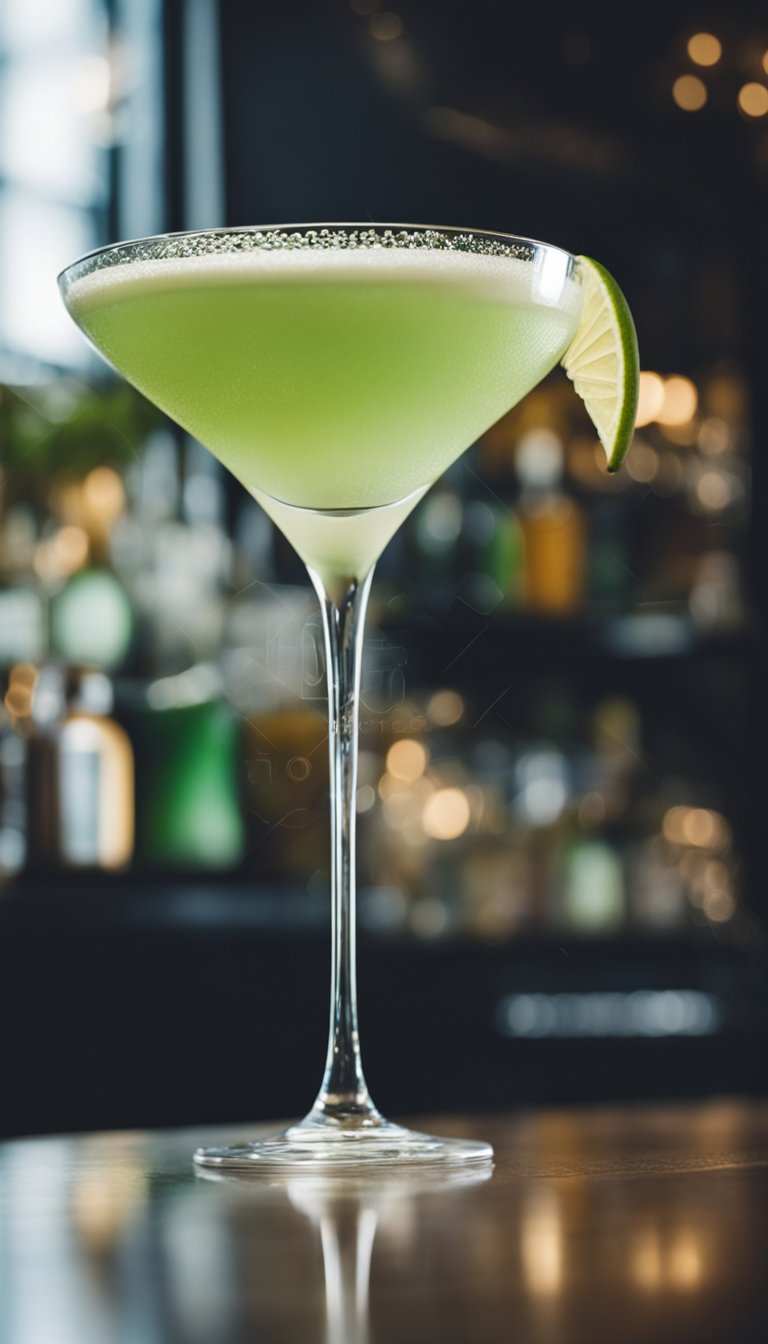
What’s the future of Non-Alcoholic Spirits in the UK A Journey to be Unveiled
Welcome to our fifth and final chapter on our in-depth study of non-alcoholic spirits in the UK. Through the course of four articles, we’ve delved into the world of zero-proof beverages, uncovered the top non-alcoholic spirits, delved into the art of creating enticing drinks with no alcohol, even explored the world of alcohol-free spirits to encourage mindful drinking. Now, in this concluding segment, we’ll peer into the crystal ball, and discuss the future of non-alcoholic spirits from the UK.
This is the Non-Alcoholic Spirits Revolution
Over the past few years we’ve seen a huge shift in the way society views and consumes alcohol. This paradigm shift has helped pave the foundation for the low-alcohol spirit revolution. Here are some essential insights about where this fascinating trend is heading:
-
expanding market Non-alcoholic spirits market is experiencing an exponential increase increasing the variety of flavors and varieties to appeal to a wide range of consumer tastes.
-
Innovative Distillation Techniques: Distillers have pushed the boundaries of technology, making spirit that is not alcoholic and closely mimics their alcoholic counterparts, both by taste and scent.
-
The Cocktail Culture Flourishes: As consumers seek sophisticated and intricate flavor experiences and cocktails are growing in the non-alcoholic space. Mixologists and bartenders have been making innovative zero-proof cocktails.
Healthy and Sustainable Choices
One major driver behind the movement towards non-alcoholic spirits is the growing emphasis on the environment and healthy choices. People are becoming aware about the environmental effects of traditional alcoholic beverages and prefer alternatives that align with their values. Non-alcoholic spirits are generally regarded as more sustainable options with less consumption of resources and emitting less carbon dioxide.
In addition, the advantages of choosing non-alcoholic spirits are hard to ignore. These beverages are kinder to the liver, don’t give you a hangover they can be incorporated into a balanced lifestyle without sacrificing the pleasure of tasting delicious and complex drinks.
Trends to Watch in the Near Future Trends to Watch
As we look toward the future, several new and exciting trends are surfacing:
1. Craft Distilleries Go Zero-Proof
Craft distilleries have entered the non-alcoholic spirit industry, making use of their knowledge in the art of flavor development to create unique products with zero proof.
2. Drinks that are low in alcohol and Non-Alcoholic Barrs
There are bars that have been designated as low-ABV or alcohol-free. are popping up, creating bustling social scene for people who are looking to have delicious drinks with no alcohol.
3. Non-Alcoholic Cocktail Pairing Dinners
Like wine pairing dinners with non-alcoholic spirits, these dinners are becoming a gourmet delight that provides an experience that is multisensory for the most discerning guests.
Conclusion There is a bright future ahead
In the end, the potential to non-alcoholic drinks in the UK is extremely exciting. The market has shifted from a specialized market to an active industry, with a vast array of options and an ever-expanding consumer base. The increase in non-alcoholic spirits has been in line with the ever-changing preferences of a more healthy and conscious society.
As we close our five-part journey, let’s recap the journey we’ve embarked on:
-
We began by introducing you to the world of non-alcoholic spirits. We then explained the different types and the reasons why they’re important.
-
We guided you through a selection of the most popular non-alcoholic spirit brands available in the UK We’ll make sure you’re able for making informed choices.
-
You have learned the art of creating delicious cocktails without alcohol, experimenting with classic recipes, and trying out different flavors.
-
We were able to explore the world of mindful drinking, discovering the joys of alcohol free spirits and their importance in a well-balanced lifestyle.
-
We’ve finally viewed the future and seen the future where non-alcoholic drinks are a major part of our daily lives and in our cultural interactions.
Thank you for joining us to this adventure, and we wish you the best as you continue to discover the fascinating world of non-alcoholic spirits across the UK.
The future of non-alcoholic spirits in the UK is bright, promising sustainability, health-consciousness, and an ever-expanding array of choices.
Boldly and italicize key phrases alcohol-free spirits, non-alcoholic spirit revolution, sustainable choices, health benefits, future trends craft distilleries, low ABV Non-alcoholic liquors, spirit pairing dinners, bright future.
Aromhuset Zero Sugar Orange Syrup Review: Top Fizz Yet?
Do you long for a fruity, delicious drink without the guilt of sugar? We came across Aromhuset’s Zero sugar Orange Soda Syrup. It’s a revolutionary product for anyone trying to create alcohol-free drinks at the home.
With this concentrate, we transformed plain sparkling water to a lively, citrusy delight with just a few turns. It’s simple to prepare and because it’s sugar free the drink is an ideal option when you’re trying to control your consumption of sugar or are looking for diabetic friendly options. Despite the absence of sugar but it’s still a delightful sweet flavor that’s the result of Sucralose. Sucralose which makes it a better choice, without losing taste.
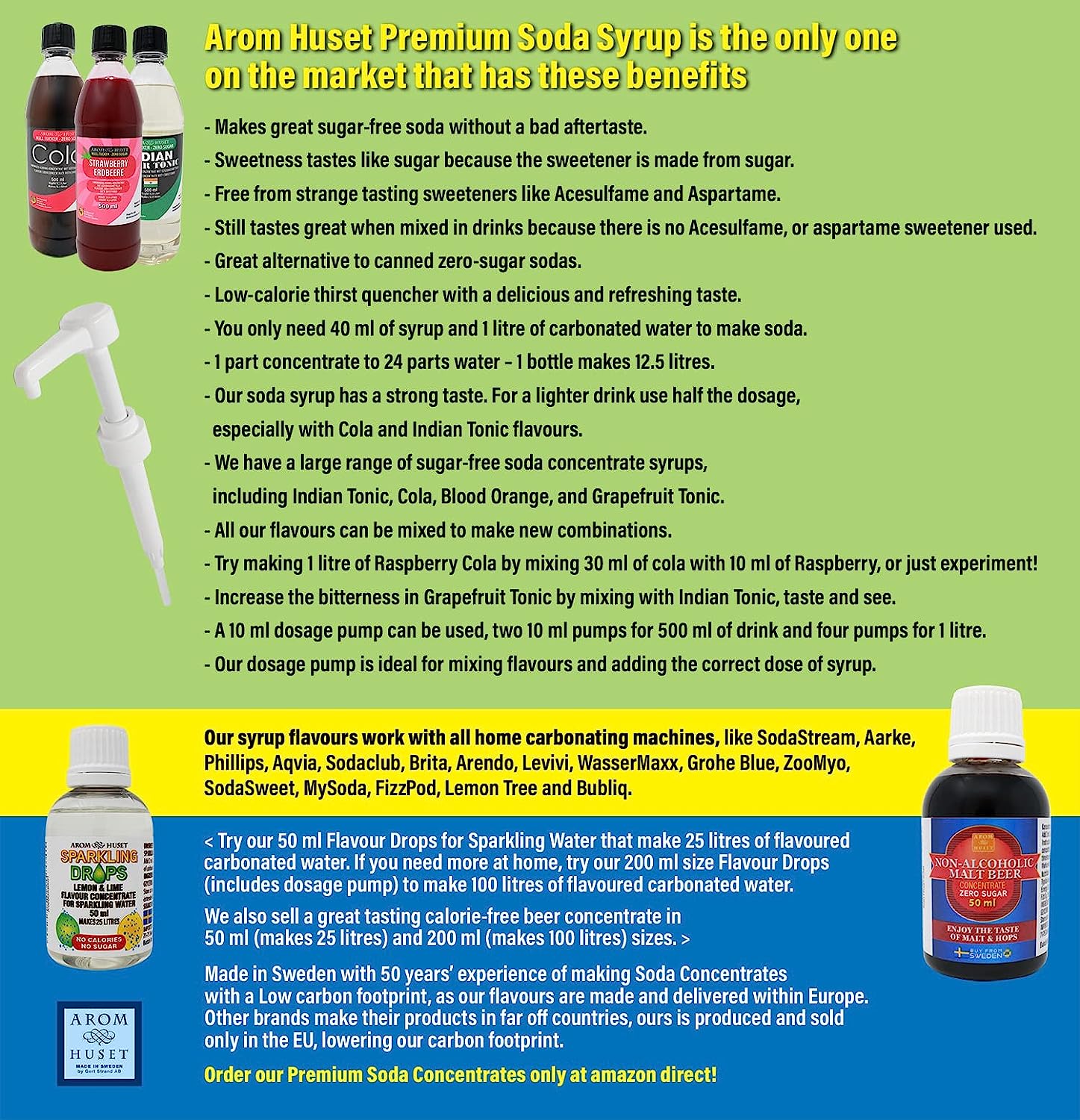
We were amazed by the ability of this mix, as well. It’s not just mix for drinks. We considered it a flavor added to desserts, and were delighted with the end result. The aroma alone will be enough to transport you to a grove of oranges.
However each sip wasn’t a trip to paradise. Some of us noticed an artificial, tangy taste that diverged from the orange flavor we had hoped for. However, it could be a minor flaw in the face of its value and convenience. price. A single bottle delivers an amazing 12.5 litres of fizzy enjoyment!
Final Verdict
Its Aromhuset Zero Sugar Orange Soda Syrup is a fantastic buy for health-conscious consumers and people who just want to spice up their beverage options.
While it’s not going to mimic the taste of your most popular orange sodas, it does provide a zesty taste that’s incredibly enjoyable while keeping the calorie count in check. intake.
If this makes you curious, why not give it some time? Find your own bottle now and change up your drinking routine!
Transform Your Beverage Experience with the Zero-Sugar Aromhuset Syrup Orange Soda Syrup
We’ve been looking for a lower-sugar alternative that’s not a tinkerer with flavour, and Aromhuset’s Zero Orange syrup has genuinely elevated our fizzy beverage game. We were stunned by how it made us feel like a mixologist at our home, by turning simple carbonated water into bright orange soda with a swirl. The ease of use cannot be overemphasized; just 40ml to make a gallon of sparkling water, and we had ourselves a diabetic and vegan-friendly treat that worked perfectly as a standalone drink or as a mixer in our cocktails at the weekend.
The real highlight was the guilt-free indulgence. The only calories are 5 kcals per 100ml serving and sweetened with Sucralose instead of sugar. We could have that delicious, orange taste without having to suffer the guilt-inducing calorie burden. And, the best part is that its application extends beyond drinks to various culinary delights, from invigorating ice creams to jams.
But, we did encounter some snags. Some of us believed that the scent of orange was not as good as off the commercial brands like Fanta or Tango however, it has a mild chemical flavor if you overuse it. The taste of one capful tasted perfect for nearly an entire litre, each person’s taste preferences were different, requiring a bit of trial and error before hitting the perfect optimal point.
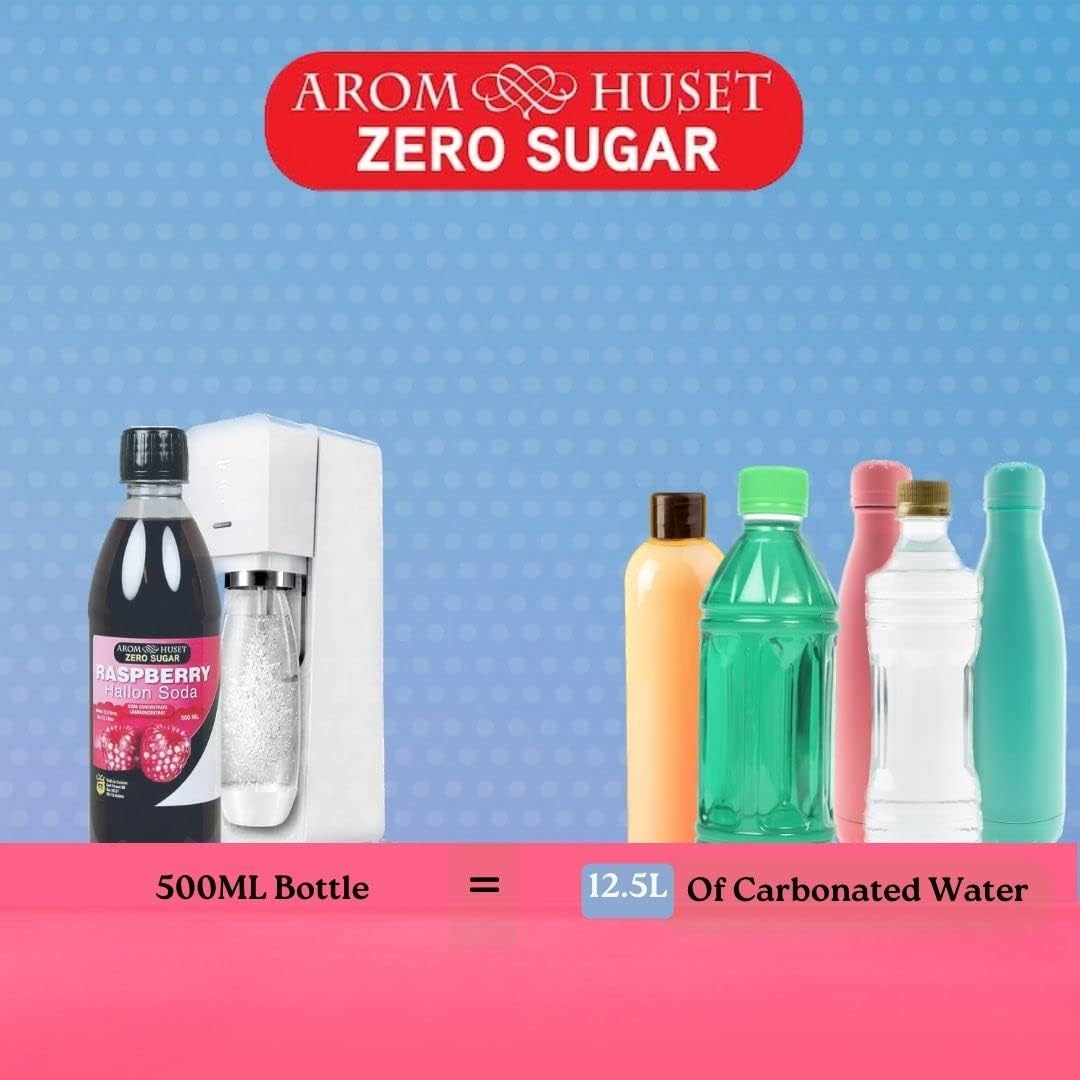
And when you consider this handy 500ml bottle can make up to 12.5 litres of soda, it’s a dazzling cost-saving shelf-space wonder. Our cups were filled with Aromhuset’s syrup brought happiness and variety our daily hydration, without weighing us the cup with sugar, and we’re all in favor of it.
The Magic of Homemade Fizzy Drinks
Have you ever made your self-made soft drinks? With Aromhuset’s Zero-Sugar Lemon Soda Syrup been whipping up tasty sugar-free drinks which are a hit every time. It’s a doddle to mix – just drop a few drops of syrup into bubbly liquid and voila! A personalized, fizzy drink is ready.
We were initially skeptical what if a sugar free option could make a difference in taste? However, this syrup packs quite a punch, giving us that authentic orange tang without the guilt. It’s an ideal choice that we can use if we are trying to cut down on our sugar intake and catering to diabetic loved ones and relatives. Also, it’s Vegan healthy!
Beyond drinking, we’ve noticed ourselves getting creative, making a little spice to desserts and even experimenting with homemade lip balms. Who thought one bottle could provide so much versatility?
While it’s not going to be a hit with brand loyalists this has proven to be a popular choice for many who are looking for a healthier alternative. We’re not big fans of the artificial taste that some of the cheaper alternatives possess, but fortunately, this isn’t one of them. One issue we have is sometimes a leaky seal opening a new bottle, however, that’s only a minor issue in our experience with fizzy drinks.
Overall it’s been enjoyable to see 500 ml go across the finish line, transforming into 12.5 litres filled with effervescent delight. In the event that you’re in search of a mixer or just a simple soft drink, this syrup could very likely become a staple in your kitchen. Keep in mind that although it might not be the exact equivalent of big name sodas, it’s great for the health-conscious lover of a drink!
A Diet-Friendly Option to Quench Your Thirst
We’ve come across a worth for anyone trying to lessen sugar consumption without sacrificing flavor. In this case, the Zero Orange syrup is a fantastic solution. Simply mix 40ml it with a litre of sparkling water and voila! refreshing orange soda pops into life. We are awestruck by how sugar-free it is and uses Sucralose instead, giving that sweet taste at only 5 kcal for 100ml of servings. A boon for our calorie-conscious pals.
But let’s be candid, some sugar-free choices don’t quite hit the mark. However, the distinctive aroma of this sweetener smacks the sensations like the nostalgic orange pop we love so much but with a more clean lasting, no-sugar aftertaste. We’ve even used it to mix in cocktails, with great results!
It’s certainly not perfect for all. We noticed an off-tasting aftertaste warning of more artificial like fresh oranges straight off the tree. Then again, considering the massive amount of liquid this bottle pumps out–12.5 tonnes! –we’ve given it our stamp of approval for value and the ability to be used in a variety of ways. When you’re trying to up the ante on your beverage or making your own culinary treats, this bottle certainly gives a fresh edge. And, even though it’s in a competitive marketplace, for those seeking the perfect diet drink that pleases the palate, we think this one really does make a statement.
Get your culinary creativity flowing
We’ve got our hands on the Aromhuset’s Zero-Orange Soda Syrup and I’m here to tell you, it’s a game-changer for mixologists at home as well as those with a health-conscious mindset. At the first look, it could seem like a normal flavor of syrup. However, this nifty small bottle is an absolute powerhouse of potential. We experimented with it by simply mixing the syrup with sparkling water. It’s simple to create and the results were a lovely, bubbly orange sodam, with a deep aroma and the sweet taste of sugar.
What really intrigued us was how we could incorporate this into our eating habits without anxiety, as it’s free of sugar and can be substituted for sugar calories for Sucralose. We even whipped up some sugar-free ice cream and added syrup to flavor it which was absolutely delicious. For the adults in the room the addition of it to cocktails added a vibrant twist, without overpowering the drinks.
There’s been some disappointment, but it’s not all been sunshine and rainbows; there were those who felt it lacked the natural orange zing we’d hoped for and veered towards a manufactured tang. However, when we look at how much value it offers – a bottle is a massive 12.5 tonnes – we’ll overlook this minor setback. It’s not Fanta, but it sure gives the more popular brands all the way in healthfulness and cost-efficiency.
The Best Value in Every Bottle
In our quest to find the best homemade drink Finding a drink that offers quality and quantity without taking the money is an accomplishment. We’ve struck gold with this product: Aromhuset Zero Orange. Each bottle with 500ml of this super-concentrated syrup is a rare gem, which transforms plain soda into 12.5 litres of sugar-free refreshments. It’s amazing how something so small can create so much!
What’s most notable:
- Suga-Free Decadence: Just a single portion provides a full tasting pleasure without guilt. With just 5 kcal for 100 ml of liquid, we can be able to indulge in a wide range of delicious flavors.
- Simplicity Itself Simple to mix, only 40ml turns one litre of bubbly into an energizing drink that is perfect for any occasion, whether we’re just relaxing on the sofa or hosting guests.
- Flexibility: We’re not just only limited to drinks. This concentrate can also be a vital ingredient in a variety of culinary experiments from baking to ice cream.
Although there is a lot to like, there are some downsides. Many among us found the tangy orange taste wasn’t up to those of commercial brands and the presence of color additives might not be everyone’s cup tea. But, given the promise of huge quantities, we believe it’s still worth a try. Our gatherings have certainly levelled up with this cost-effective option!
Pros and Pros and
Pros
We’ve had fun trying out the Aromhuset Zero Orange, and there’s plenty to rave about. In the first place, the fact that it’s sugar-free is a huge plus for people who have a strict diet the syrup provides just 5 kcal in 100ml of. They’ve sweetened it with Sucralose which is a sugar substitute, which means that you’re leaving out the sweetness that makes fizzy drinks very satisfying.
Versatility? Check. We can cool down by making a homemade soda, or dressing up our ice cream it’s pure gold. It’s great that you can find an all-in-one flavoring that can be used with almost any food item that requires a zesty orange twist.
Another point of praise is its convenience of use. Just whizz 40ml into a gallon of carbonated drinking water and presto! We’ve tried it as a mixer in cocktails, and we can assure you that it’s proved to be a success. Furthermore, the consistency of the taste is excellent; we’ve enjoyed it every moment of every time.
In the end, we’re talking of value for money as a single bottle that can yield 12.5 L of drinks, that means you’re set for quite several rounds of refreshing drinks. The fact that this delicious mix comes in different flavours just sweetens the drink.
Cons
We’ll now discuss the less-than-perfect aspects. Even though we’re enjoying the orange tang, a couple of us feel it’s a bit too weak to replicate that traditional Fanta or Tango flavor. This is a worthy effort but for the discerning connoisseurs on the internet, it’s a little off the mark.
The only issue we’ve found one of the issues we’ve encountered is there’s a label seal which could be somewhat of a hassle while you’re looking forward to mixing. And while we’re at it, the natural coloring ingredients have brought a few squirming eyes It’s not a great choice even for a premium sugar-free choice. Why do we colour?
Certain of us thought that the taste was more of an subtle pink grapefruit flavour, which wasn’t quite what we’d hoped for from a company that claims natural orange flavouring. The flavor isn’t enough to put us off yet, but it’s something to consider that might be improved.
In short, while Zero Orange Zero Orange doesn’t quite knock it off the park taste-wise for everyone, it’s an enjoyable, low-calorie soft drink option that’s easy to prepare and versatile in its usage.
The Customer Experience: Honest Opinions
When we tested the Zero Orange, we found it to be an excellent supplement to our sugar-free options. It appears that we’re not the only ones numerous customers have described its flavor as having satisfying flavour similar to club Zero. The general consensus is that this drink is among the best and does an outstanding job when compared with others that have sugar-free drinks. Customers who are loyal to it appreciate that it’s a repeat purchase for them.
There were many consumers who found it difficult believing that Zero’s soda wasn’t sugar-free, since they thought it was sugar-sweetened because of its absence of any bitter taste normally associated with artificial sweeteners.
For those who own a SodaStream it works seamlessly without creating too much fizz, which is a big plus. However, some customers were put off by the bottle’s seal design and the over-abundance of coloring additives. Each bottle is transformed into refreshing drink. Even though it’s probably not everyone’s cup tea, it certainly is loved by those who love it.
Final Thoughts
After giving the Zero Orange syrup a whirl in our home soda setup we’ve come to few tangy conclusions. On the one hand, it’s certainly the best choice to get the club soda taste without the sugar crash. Cheers to guilt-free sipping! There’s something very satisfying with the taste, particularly when you’re craving a subtle orange tinge that doesn’t sound artificial.
But, it’s not all sunshine and lemons. Some of us felt it didn’t meet the standards when contrasted with household names such as Fanta or Tango or Tango, and if you’re seeking a supermarket-style cordial that’s not going to hit the spot. The ease mixing it is an added benefit this bottle is a little capful large bottle that fizzed perfectly which avoided the eruption that’s often encountered with similar products.
It’s also worth mentioning the colorants; they aren’t popular with everyone. Overall, it’s a mixed bag. An excellent choice for sugar-free soda drinkers, however the taste may not float the boat of everyone. It’s worth trying? We think so if you’re eager to discover the world of fizzy beverages made from scratch.
Frequently Answered Questions
What health benefits from transitioning to Zero sugar SodaStream syrups?
Our experience has shown that making the switch to sugar-free Orange Soda Syrup made by Aromhuset is a good choice for our health-conscious friends. The syrup is a guilt-free indulgence with just 5 kcal per 100ml jar, and it’s a vegan and diabetic tolerant due to its sugar-free formulation. By avoiding sugar, we’re also getting rid of those unwelcome calories found in traditional sodas.
Do I have the ability to replicate popular soft drinks’ flavours with different SodaStream no-sugar options?
We’ve tested it and it’s quite easy! With the proper Zero Sugar flavors it’s possible to create an item that’s quite similar to the popular brands we’ve all heard of. Although the exact match might not be the case, Zero Orange adds a delightful taste that’s different and enjoyable. It’s as if you’ve created your customized soft drink at home!
How does this range of Aromhuset Zero Sugar range compare with traditional drinks with sugar in taste?
In our first taste of the Zero Orange, we were pleasantly surprised by its vivacious as well as rich scent. Although it’s not identical to sugary drinks, it’s definitely delicious on its own. It’s a great alternative for people looking for a sparkling drink without the sugar!
Are there any sweeteners present in these Aromhuset Zero Sugar versions, and are they in fact safe?
The big reveal here is there is Sucralose as the sweetness used in this sugar-free alternative, which is, in fact, a non-toxic artificial sweetener. It’s 600 times more sweet than sugar. Sucralose is tested rigorously and deemed safe for consumption, which gives us peace of mind while enjoying our bubbly beverages.
Aromhuset may be one of the one, if not only brand that makes use of the sweetener that is tasteless, Sucralose in their soda concentrate. This is likely because of its price. It is prudent to always verify the ingredients on soda concentrates, to stay away from sweeteners like ancesulfame aspartame along with other.
What are the varieties of Zero Sugar flavours does SodaStream can offer to anyone looking for a refreshing citrus blast?
Aromhuset’s Aromhuset range, which includes our tested Zero Orange, offers a fruity taste that citrus lovers will love. It’s perfect for satisfying your craving for fizzy citrus. Make sure to check out the brand’s other flavors. can also offer other flavors in case you’d like to mix things up!
How easy is it to mix and use Zero Sugar syrups with my SodaStream machine?
It’s very simple! You just need to add 40ml The concentrated Zero Orange syrup to 1 litre of carbonated distilled water, offer it a gentle swirl, the drink is ready to drink. Serving fizzy drinks has never been easier, either to serve a refreshing glass of water or for a trendy mixer in cocktails.
Decoding EU Regulations on Non-Alcoholic Beverages The Essential Guide to Read for Your Compliance
In the realm of drinking and eating, compliance to regulations is not just necessary for legal reasons, but it is a crucial aspect of consumer confidence and safety. For instance, the European Union (EU), popular for its stringent regulations has a lot of emphasis on ensuring drinks that are not alcoholic meet the highest standards of safety and quality. This article, the first in our series, aims to dissect the complexities of EU laws governing non-alcoholic drinks.
Learning the EU Framework
A brief overview of EU Regulatory Bodies
The core of EU guidelines for non-alcoholic beverages are various key regulatory bodies with each one playing an important function in ensuring that the products on the market are safe for consumers.
1. It is the European Commission: Often considered as the executive branch of the EU, the European Commission takes charge of proposing legislation as well as implementing its decisions. When it comes to food and beverage regulations, the Commission is the key figure in establishing the framework within which non-alcoholic beverages are permitted to operate.
2. EFSA (European Food Safety Authority ):> > This non-profit agency provides expert advice and scientific information on nutrition and safety for and the EU institutions. Expertise of EFSA is critical to checking the safety of the ingredients and the additives that are used in non-alcoholic beverages.
3. National Authorities Alongside EU-wide guidelines, the individual member states may have their specific rules. National authorities oversee compliance to EU regulations at the local or state level.
Illegal Framework
Understanding EU laws regarding non-alcoholic beverages is a matter of understanding the legal framework governing them. The EU uses two types of legislation that include directives as well as regulations.
EU Regulations: These are directly applicable across all states of the EU and don’t require separate national laws. Once an EU regulation is adopted and enacted, it becomes law for all member states simultaneously.
EU Directives: Directives, on the other hand, set out the goals that members states have to meet. It’s the duty of each state member to adopt their laws in accordance with the directive.
The interaction between EU regulations and laws of member states could occasionally be confusing, which requires companies to be aware of both the global EU rules as well as particular local implementations.
Knowing the regulatory framework is the initial step in making sure you’re in compliance with EU laws on non-alcoholic drinks.
In the next part, we will go over details of EU regulations, particularly specific requirements for ingredient labels and labeling, that are crucial for companies involved in the drink industry.
Stay tuned as we explore the intricacies of ingredient labeling regulations and labeling in the EU for non-alcoholic beverages.
Finding the EU Regulations: Labeling and Ingredient Requirements for non-alcoholic beverages
In the first section in this article, we started a trip to better understand the complicated web of EU regulations for non-alcoholic beverages. In this section, we’ll dive into the details, focusing on labeling requirements and ingredient requirementsaEUR”a critical area of compliance to businesses that operate in the field of beverage.
Labeling Guidance
Transparency and Clarity Transparency
EU regulations are stringent when it comes down to labeling non-alcoholic beverages. The aim is to ensure that consumers get complete and accurate information about the items they purchase. These are the major aspects of labeling guidelines:
1. Name of the Beverage The name must clearly state the type of the product. False names that can confuse consumers are prohibited.
2. Ingredients List: Alcohol-free beverages are required to provide a list ingredients which list the ingredients in order of weight, descending.
3. To be aware of allergens in the beverage, the drink has any of the 14 allergens that are listed within EU rules (e.g., nuts, milk or gluten) They must be explicitly identified on the list of ingredients.
4. Net Quantity: the quantity of the beverage has to be specified in liters, milliliters or centiliters. It can also be stated in kilograms, grams, or milligrams in relation to the beverage.
5. Best Before/Use By Dates: Non-alcoholic beverages with a shelf life of less than 18 month must be accompanied by an “use at” date. Drinks with a more extended shelf life should show a “best ahead of” date.
Nutrition Declaration
Recent years have seen EU regulations have made it compulsory for non-alcoholic beverages to disclose nutrition information per 100ml of the beverage. This includes information about energy content and amounts of fat, saturates, carbohydrates, sugars proteins, salt and.
Ingredient Requirements
Utilization of Additives
EU regulations strictly control the use of additives in alcohol-free drinks. They must be approved, safe for consumption, and used to serve a specific purpose (e.g., dyes, preservatives).
Natural Mineral Waters
For drinks labeled “natural mineral water,” EU regulations are particularly strenuous. These waters must originate from sources that are recognized and meet specific criteria regarding mineral content and purity.
Fruit Juices and Nectars
In the event that a non-alcoholic beverage is made up of nectars or fruit juices, it must meet the specified standards of fruit content. For example, nectars made from fruit must contain at minimum 25 percent percentage of fruit.
Sweeteners
The use of sweeteners has been regulated to ensure safety and safeguard the interests of consumers. Labels must clearly identify that sweeteners have been used.
What’s Next?
As we’ve observed, EU regulations on labeling and ingredient requirements for non-alcoholic beverages are extensive that are designed to protect the consumer’s concerns. Complying and understanding these rules is essential for businesses operating in this sector.
In the next segment we’ll dive into quality and safety standards in order to understand how EU guidelines ensure non-alcoholic beverages are of the highest standard of quality. Join us on this journey and discover the many complexities of EU rules further.
Join us to discover the world of quality and safety standards created by EU regulations on non-alcoholic beverages.
Experience Direct Buying: Premium Non-Alcoholic Spirits from Swedish Distillers!
Health and safety standards: Ensuring the highest quality of non-alcoholic drinks in the EU
In our search for answers to the maze of EU regulations on non-alcoholic beverages We’ve come across crucial information on labeling and the requirements for ingredient labels. Now, let’s continue our exploration by delving into the world of quality and safety standardsaEUR”critical aspects that uphold the integrity of these beverages in the European market.
Quality Standards
Water Quality
Water is the major ingredient in many of the non-alcoholic beverages The quality of the water used in beverages is of paramount importance. EU regulations stipulate that water used in beverage production must meet strict quality criteria. This ensures that the water’s sources, treatment and transport do not affect the taste or safety of the beverage.
Natural Mineral Waters
for beverages that are marketed as “natural mineral water,” EU regulations are particularly precise. These waters have to come from trusted sources and comply with stringent requirements regarding mineral composition and purity. Natural mineral waters are recognized as pure and have a distinctive mineral composition. This makes these waters a great asset to the non-alcoholic beverage industry.
Fruit Juice Purity
In beverages that contain juices of fruit as well as fruit juices, EU requires specific fruit-based content guidelines. For instance, nectars made from fruit must contain a certain percentage of fruit content to ensure the authenticity and quality of the drink.
Hygiene & Production
Achieving a clean and safe manufacturing process is essential. EU regulations require that all manufacturing facilities adhere to strict safety and hygiene standards to avoid contamination and ensure the safety of products.
Safety Standards
Microbiological Criteria
Microbiological safety is a non-negotiable aspect of making non-alcoholic beverages. EU regulations establish microbiological specifications to ensure that beverages are free of harmful microorganisms that may pose dangers to the health of consumers.
Contaminant Limits
To protect consumers’ health, EU regulations define maximum limit limits for various contaminants found in non-alcoholic drinks. These contaminants include mycotoxins, heavy metals and residues of pesticides. Monitoring and testing procedures that are rigorous are in use to ensure compliance with these limitations.
Plus Safety
Additives used in non-alcoholic beverages need to be evaluated thoroughly for their safety. EU regulations require extensive tests of scientific research and risk assessment prior to the approval of additives for use. This ensures that the consumer is not vulnerable to unnecessary risk.
The Role of Quality Control
Quality control plays a vital function in ensuring that alcohol-free drinks meet the highest standards in terms of quality and safety. Manufacturers are accountable for implementing stringent quality control procedures, from the initial source of raw materials to the final stages of production.
What’s ahead?
Standards for quality and safety are the foundations upon which the repute of non-alcoholic beverages is built in the EU market. In the next part, we’ll explore the intricate market of packaging and marketing rules, while shedding light on how these elements impact the overall conformity landscape.
Keep an eye on us as we explore the realm of packaging and marketing regulations, essential elements of EU conformity for non-alcoholic beverages.
Packaging and Marketing and Marketing: Navigating the EU Regulations for Non-Alcoholic Beverages
As we continue our journey through the intricacies of EU regulations governing non-alcoholic beverages, we find ourselves at a crossroadsaEUR”packaging and marketing. These aspects are vital and not just for compliance, but also to grab the consumer’s attention in a very competitive market. Let’s look into the world of packaging and marketing regulations in the European Union.
Package Regulations
Material Safety
The EU is determined to ensure that the products used to package beverages do not contaminate the contents. Manufacturers must comply with strict standards for materials such as glass, plastics, and metals. This guarantees that the packaging does not alter the substance or the safety of the beverage.
Sustainable and Recycling
Environmental sustainability is a growing concern, and the EU is a proponent of eco-friendly packaging. Regulations are designed to reduce pollution and promote recycling by setting targets for the use of recyclable materials and the reduction of waste packaging.
Presenting, Labeling and Labeling
Labeling is one of the most important aspects of packaging. EU regulations require exact and transparent information on labels. These include the ingredient list, the name of the product along with nutritional information and allergen declarations. These labels help consumers make informed choices and ensure transparency.
Marketing Regulations
Truthful Advertising
Marketing non-alcoholic beverages within the EU should adhere to a set of principles of accuracy and truthfulness. Advertising claims for health claims, like those about or claims about the ingredient’s benefits, need to be substantiated with scientific proof.
Protecting Minors
Given the potential draw of alcohol-free beverages for minors, advertising efforts should be avoided targeting this segment of the population. The EU has strict regulations to stop advertising that could encourage underage consumption.
Alcohol Imitation
Non-alcoholic drinks should not resemble the appearance or packaging of alcoholic drinks. This will help avoid confusion among consumers as well as ensures that the marketing of these drinks is clear and transparent.
Challenges and Innovative Ideas
Finding the right way to comply with marketing and packaging regulations can be daunting, but they also present opportunities for innovation. Many companies are opting for sustainable packaging products that meet both the requirements of regulatory agencies as well as the preferences of consumers for environmentally-friendly choices. Marketing strategies that are innovative and focus on health benefits and distinctive flavors are seeing increased interest in and around the EU market.
What’s Next?
Our exploration of EU rules for alcohol-free beverages isn’t complete without discussing one of the most important aspects of ensuring compliance to these regulations. In the next part, we’ll dive into the strategies and guidelines that can help firms ensure compliance with EU’s strict standards.
Watch this space as we find the key to compliance with EU guidelines for non-alcoholic beverages.
Navigating EU Regulations for Non-Alcoholic Beverages: A Comprehensive Guide
We’re pleased to present the 5th and final installment of our comprehensive guide to understanding EU regulations for non-alcoholic drinks. Throughout this series, we’ve dived into the complicated world of regulations that govern the production in the areas of labeling, safety and promotion of non-alcoholic drinks in the European Union. In this article’s final installment we’ll review a few of the key points from every section and provide final thoughts on the challenges and opportunities in this tightly regulated sector.
Summary of Our Journey
1. Production Standards
In the initial article, we examined the production standards established by the EU for non-alcoholic beverages. Principal takeaways included:
- High standards of hygiene and safety for manufacturing installations.
- Guidelines for ingredient selection as well as quality.
- The importance of adhering to maximum residue levels for pesticides and contaminants.
- How adherence strictly to Good Manufacturing Practices (GMP) is essential.
Section 2 Food Labeling and Nutritional Information
In our second article we spoke about the importance the correct labeling of food items and nutritional information. Highlights include:
- Labeling that is accurate and clear such as ingredient lists information on nutrition, as well as allergen declarations.
- The importance and significance of truthfulness in advertising and the necessity of research-based evidence to back assertions.
- The prohibition against making false representations to consumers.
Part 3: Safety and Quality Assurance
The third article in our series focused on safety and quality assurance. Key points covered:
- Safety standards that are stringent to avoid contamination and ensure the safety of alcohol-free drinks.
- The importance play by Hazard Analysis and Critical Control Points (HACCP) in safeguarding food safety.
- Tracking and monitoring to quickly determine and rectify safety concerns.
Section 4: Packaging and Marketing
In the fourth piece, we examined regulations related to packaging and marketing:
- Standards for the safety of packaging materials to avoid contamination.
- Stress on recycling and sustainability in packaging.
- guidelines to ensure that advertisements are truthful protecting minors as well as the prevention of fake alcohol.
Opportunities and Challenges
As we complete our journey through EU rules for non-alcoholic drinks we can see that this industry has its own challenges as well as opportunities. The challenge lies in navigating the maze of regulations for compliance, while accommodating changing consumer demands for more sustainable and healthier choices.
However, there are substantial potential opportunities for companies that take on these difficulties:
-
Innovation: Developing eco-friendly packaging and marketing strategies that highlight the health benefits of your products can set you aside in the market.
-
Transparency: The compliance with the labeling laws and advertising regulations does more than ensure compliance but also builds consumer trust.
-
Protection: Insisting on quality assurance can safeguard your brand’s reputation and protect consumers.
Conclusion
In this series we’ve gone through the multifaceted world of EU regulations governing non-alcoholic drinks. From packaging standards to production as well as marketing and safety, compliance is essential for achievement in this field.
When you go through these rules take note that they’re in place to safeguard customers and to guarantee the highest quality standards. Encourage innovation, sustainability as well as transparency, to make it on the EU market for non-alcoholic beverages.
Thank you for joining us on this learning journey. We hope that you’ve gained some valuable insights into the regulatory landscape of non-alcoholic beverage in the EU.
A Recap of the All Articles in This Series
-
Part 1: Production Standards
-
Section 2 2. Labeling and Nutritional Information
-
Third Section: Safety and Quality Assurance
-
Section 4: Packaging and Marketing
Continue your journey towards success in the field of non-alcoholic drinks Keep yourself up-to date to the most up-to-date EU rules and regulations.
Unlocking explosive growth: EU and UK The Alcohol-Free Spirit Market is Rising Don’t Wait!
Section 1: The Present Landscape
In the realm of beverages there is a subtle revolution occurring, and is revolutionizing the way we enjoy our drinks. The tradition of alcohol-based drinks being the most popular choice for social gatherings are seeing a dramatic shift that is particularly evident in both the European Union (EU) and the United Kingdom (UK). Alcohol-free or non-alcoholic spirits are carving a niche for themselves in the market, as well as their growth rate is truly remarkable.
A Market Booming
The market for alcohol-free spirits across the EU and the UK has seen a rapid growth. There is no longer a time when non-drinkers or those looking for healthier alternatives were restricted to sparkling water or soft drinks that were sugary. Today, an array of alcohol-free drinks fills the shelves of supermarkets and bars catering to a customer base that demands sophistication without the drinking.
market size and trend
To comprehend the magnitude of this change, we’ll go over some data. Recent market research has revealed there is a possibility that the EU and UK alcohol-free spirit market is set to achieve a valuation of [bold]a.X billion [bold] after [bold]20XX[/bold]. This growth isn’t just an anomaly; it’s an indicator of changing customer preferences.
The Key Player and their Contributions
The market’s ascent owes much to the trailblazing efforts of key players like [bold]Seedlip[/bold], [bold]Borrago[/bold], and [bold]Lyre’s[/bold], among others. These companies have elevated the art of making spirits that are alcohol-free to new heights crafting drinks that reflect an essence typical spirits but without the alcohol content.
New Brands, Consumers’ Preferences, and the Emerging Markets
The increase in alcohol-free spirits is directly tied to changing preferences of consumers. Nowadays, consumers are more conscious of their health in their choices, are more discerning and socially conscious. They seek out drinks that go along to their values. alcohol-free spirits match perfectly. Consumers are also seeking unique, palatable alternatives to traditional alcohol-based drinks.
As consumer demand has surged and new brands have sprung up to meet the demands of this market. They’re characterized with authenticity, innovation and unwavering dedication to the highest quality.
Many intriguing possibilities
This explosive growth, caused by shifting consumer behaviors has exciting prospects for businesses looking to tap this EU and UK liquor-free market. It is an enormous opportunity but in order to leverage the potential effectively, one must first understand the drivers behind this remarkable transformation.
In the next section We’ll take a look at these driving forces, exploring the reasons behind the rise of alcohol-free spirits as well as what this means for businesses trying to get their feet wet in this exciting space.
In the first section we’ve laid a foundation in presenting the current environment that is the EU and UK alcohol-free spirits market. The market’s size has been discussed important players, its structure and the changing preferences of consumers. Now, in Section 2, we’ll look into the driving forces behind this market’s remarkable growth.

What’s Driving the Explosive growth of EU as well as UK Alcohol-Free Spirit Market?
Part 2: Uncovering the driving Forces
In our first article of the series, we embarked on an exploration through the vibrant market of alcohol-free liquors in this region of the EU as well as the UK. The market’s phenomenal growth paints an unambiguous picture of its potential, but what’s propelling the change? In this section we’ll look into the key factors driving this huge industry.
1. New Health and Wellness trends
BoldHealth-conscious consumers are reconsidering their beverage choices. Bold Concerns regarding the adverse effects that alcohol’s effects on health have caused many to look for alternatives that let them have a drink while not compromising their well-being. Alcohol-free spirits cater to this new generation of consumers by providing an enjoyable and safe option. Terms like “low ABV” (alcohol by volume) and “zero-proof” are now fashionable in the health and health and wellness industry, indicating a significant shift in consumer choices.
2. Changes in Social Dynamics
As society evolves, so do our social dynamics. Traditions of heavy drinking as the mainstay of social gatherings are slowly disappearing. People are now opting for more diverse and inclusive events. Alcohol-free spirits allow everyone to have fun without feeling left out. They provide a sense inclusion that is consistent with the modern ethos of socializing.
3. The rise of Mixology and Craft Cocktails
ItalicCraft the art of mixing cocktails has been sweeping the globe. Italic The art of mixing has evolved beyond alcohol drinks, with bartenders and people who are interested in exploring the possibilities of creativity that spirits that are alcohol-free. A variety of complex and delicious drinks are created, changing the definition of the meaning of a cocktail. The versatility of these drinks allows mixologists to play with a broad range of tastes, which leads to an explosion of new non-alcoholic drinks.
4. Support for Regulatory Reform
Government regulations and policies can play a significant role in shaping the industries. In recent years, regulatory bodies within the EU and the UK have demonstrated a willingness to embrace and help support the growth of alcohol-free drinks. This includes more clear labeling requirements, allowing these beverages to give more information regarding their ingredients as well as the benefits. These measures increase trust among consumers.
5. Environmental and ethical concerns
The search for sustainability in consumption and ethical practices is no longer just a fringe idea and is now a global trend. Alcohol-free spirits tend to align with these issues. They are produced with a smaller environmental footprint than traditional spirits and are usually vegan-friendly. They are sourced ethically as well as fair trade principles improve their appeal.
6. Evolution of Taste Preferences
The palates of the consumer have evolved, in search of unique and distinctive tasting experiences. Alcohol-free spirits answer the call with an extensive variety of choices. From botanical-infused alternatives to alcohol-free whiskeys that imitate the smoky notes of the original they cater to refined tastes. Today’s consumers aren’t going to compromise on taste, and alcohol-free spirits have up to the challenge.
7. Marketing and Branding
Effective branding and marketing has played a significant role in spreading awareness about spirits that are alcohol-free. Brands who successfully convey their products’ qualities the taste, health, and advantages have flourished. Marketing campaigns that are clever and savvy, as well as endorsements by celebrities have reached more people, creating curiosity and boosting sales.
8. Accessibility
The ease of access to alcohol-free spirit has increased significantly. They can be found in bars, restaurants, and in retail stores. Online shopping platforms have played a significant role in making these products accessible to shoppers, regardless of their locality.
9. Competitive Pricing
With increased demand, competition has intensified. This has resulted in competitive prices, which makes alcohol-free spirits an affordable choice for a more diverse range of consumers.
What’s Next?
As we’ve seen, several factors are driving the rapid growth in the EU and UK alcohol-free spirit market. In the next segment, we will explore the challenges and opportunities businesses should expect to face as they navigate this dynamic marketplace.
As we discussed in section 2 we’ve uncovered those driving factors behind the rise of alcohol-free spirits in the EU and the UK. Now, in Section 3, we will analyze the problems and opportunities businesses operating that operate in this market are expected to confront.
Stock Up Your Inventory Smartly: Order Boxes of Top-Quality Non-Alcoholic Spirits from Swedish Distillers!
Understanding the Challenges and Opportunities of the EU and UK Alcohol-Free Spirit Market
Chapter 3: Way Ahead
In previous articles We’ve examined the staggering development and the major drivers that drive these trends in the EU as well as the UK industry of alcohol-free drinks. This industry is on the rise However, what’s ahead? In this particular segment we’ll explore the opportunities and challenges businesses in this market will likely to face.
Challenges
1. Hurdles in Regulatory Hurdles
While regulatory support has been a key driver however, staying on top of the constantly evolving landscape of regulations can be a difficult task. It is essential to comply with labeling regulations and ensuring the responsible promotion of alcohol-free spirits is essential. This requires companies to monitor regulatory updates.
2. Consumer Education
Many people aren’t familiar with the concept of alcohol-free spirits. Making sure potential customers are aware of the advantages, flavors, and versatility of these beverages is essential. Brands must invest in campaigns to promote its value proposition products.
3. Competition
As the market continues to expand and competition grows, so does the competition. The brands must differentiate themselves by constantly innovating to remain relevant. This may mean developing new flavors, enhancing packaging, as well as exploring unique distribution channels.
4. Scaling Production
Meeting the rising market demand for spirits without alcohol can be a challenge for small-scale producers. The ability to scale production while preserving high quality is necessary to keep up with market demand.
5. Perceived Taste and Quality
Removing the stigma that alcohol-free spirits do not have the flavor depth or the same quality as alcohol-based spirits is an ongoing challenge. Brands have to invest in research and development in order to develop products that rival alcohol counterparts in flavor and quality.
Opportunities
1. Diverse Flavor Profiles
The demand for different flavor profiles provides a massive chance. Brands can play with unusual and new ingredients to produce unique and exciting alcohol-free spirits.
2. Health and Wellness Focus
Continuously aligning with trends in health and wellness is an immense opportunity. Brands can take advantage of the advantages of alcohol-free spirits which include reduced calorie counts and fewer hangovers, to inform their marketing strategies.
3. Mixology and collaborations
Collaborations with restaurants, bars, and mixologists can introduce spirits that are alcohol-free to an even wider market. Brands can collaborate with professionals to create innovative and delicious cocktails that are not alcoholic.
4. Sustainability
Embracing sustainability and ethical choices in sourcing can be an attractive selling factor. People are increasingly seeking products that align with their ideals.
5. Direct-to-Consumer Sales and E-commerce
Due to the rapid growth of e-commerce online, companies are able to extend their reach beyond physical stores. Establishing a strong online presence and offering direct-to-consumer sales can be a game changer.
What’s Next?
As we’ve witnessed, the route ahead for businesses in the EU and UK alcohol-free spirit market is filled with some challenges, but also exciting opportunities. In the next article, we’ll go over strategies to flourish in this thriving market and ensure that your brand remains ahead of the curve.
Within Section 3 you’ve been able to explore the opportunities and challenges that lie ahead for businesses in The EU as well as the UK spirits market that are alcohol free. In Section 4 we’ll examine strategic ways to compete in the ever-changing world of alcohol-free spirits.
Strategies for Success for the EU and UK Alcohol-Free Spirit Market
Section 4: Understanding the Competitive Landscape
With the EU as well as the UK the alcohol-free spirits industry continues to grow, it’s crucial for businesses to navigate the competitive landscape efficiently. In this section we’ll discuss strategies and best practices to ensure your brand thrives in this dynamic and increasingly competitive market.
1. Product Innovation
In a world flooded by possibilities, innovation is the best weapon you have. Continuously study and design new product lines and flavors to draw attention of consumers. Explore unique ingredients and blends that can set your company apart. It is possible to incorporate botanicals, herbs and exotic fruit to create unique sparkling alcohol-free spirits.
Pro Tips Conduct surveys of your customers as well as gather feedback from them to help understand the preferences of your customers and their expectations. Apply this knowledge to tailor your product development efforts.
2. Brand Differentiation
Being able to stand out in a environment requires having a convincing brand story and a distinctive identity. Demonstrate what makes your company distinctive and the reason consumers will choose your alcohol-free beverages instead of others. Insist on factors like your commitment to sustainability, quality and ethical sourcing.
Pro Tip Make a compelling brand story that resonates with your customers. Be sure to share stories about your company’s history, values, and the workmanship behind your products.
3. Collaborations and Partnerships
Collaborations may provide a unique viewpoint and extend your reach. Work with restaurants, bars and mixologists in the creation of signature alcohol-free cocktails featuring your product. These partnerships can expose your brand’s name to a broader public and draw on the expertise of industry professionals.
Guideline When working together ensure that the brand’s values are aligned with those of the partners that create genuine and meaningful connections.
4. The Digital Marketing industry and E-commerce
A strong online presence is non-negotiable in today’s market. Build a user-friendly web site and then optimize it for e-commerce. Social media platforms can be used to interact with your customers and share delicious cocktail recipes as well as run targeted ad campaigns.
Pro Tips: Use the data analytics tool to understand your audience on the internet better. You can tailor your content and marketing strategies to suit their needs and behavior.
5. Consumer Education
Making consumers aware of the benefits and benefits that alcohol-free spirits offer is crucial. Develop informative content using webinars, blogs, and on social channels. You can offer virtual tasting sessions to show off your products. An educated customer will be more likely to recognize its value products.
Pro Tip: Develop FAQs and guides to address common consumer questions about alcohol-free spirits. Make these resources available to help consumers make educated decisions.
6. Sustainability and Ethical Practices
Consumers are increasingly conscious of the importance of ethical and sustainable practices. Adopt these values by sourcing ingredients with care, reducing carbon footprint and encouraging charitable efforts. Show your commitment to sustainability through your brand.
Pro Tip Make sure to share your sustainability efforts in a transparent way on your site and social media. Transparency is a way to build trust with your customers.
What’s to Come
In Section 4 We’ve talked about the key strategies for navigating the market’s competitive landscape. EU and UK alcohol-free spirits market. The journey does not end with this section. In the following section we’ll look at long-term growth strategies, and then look at the possibilities for this flourishing industry.
When we finish Section 4, we’ll continue exploring and the EU and UK alcohol-free spirit market in Section 5. In the coming segment, we’ll focus on the long-term development prospects and the future trends which are shaping this vibrant industry.
Section 5:”The future of EU and UK Drinks that are Alcohol Free Market
The journey through the vibrant scene of liquor-free drinks across the EU and UK concludes with the final section. In this section we’ll glimpse in the near future and analyze how long-term growth is expected and emerging trends which are shaping our perceptions of this rapidly growing industry.
The ever-growing market for HTML0
As we’ve seen in previous articles, the alcohol-free spirit industry in both the EU and UK has experienced exponential growth in recent years. The need for high-end, alcohol-free alternatives is no any longer a trend but a significant shift in the consumer preferences. This trend is predicted to continue growing.
The key drivers of growth
The following factors have contributed to an ongoing growth in the market for alcohol-free spirits:
-
Health and Wellness: As consumers become more concerned about their health, they seek out alternatives that allow them to enjoy mixed drinks and cocktails without the negative consequences of alcohol.
-
Innovative Product Offerings: The market is set to witness an ever-growing number of creative and diverse alcohol-free spirits. Brands will investigate new flavor profiles, ingredients and manufacturing methods.
-
Mixology Culture: The rise of mixology culture and craft cocktails is increasing the demand to buy high-end alcohol-free spirits. Mixologists and bartenders are making complex non-alcoholic cocktails, further the popularity of these drinks.
-
Sustainability: The use of sustainable and ethical practices is becoming more prominent. Brands that emphasize sustainability in packaging, ingredient sourcing, and production will most likely increase their competitive edge.
Consumer Education and Awareness
The future of the market for alcohol-free spirits is dependent on education of the consumer. When more people are aware of the choices there are, they’ll hunt for information on how to make use of spirit that is alcohol-free in cocktails combine them with food and incorporate them into their lives.
FAQs Concerning Alcohol-Free Spirits
Q1: Are alcohol-free spirits truly alcohol-free?
A1: Alcohol-free spirits do not contain any or an extremely low amount alcohol, usually less than 0.5 percent ABV (alcohol through volume). This means they are drinkable without the intoxicating effects associated with alcohol beverages.
Q2: How do I use alcohol-free spirits to make cocktails?
A2 Alcohol-free spirits can be used as the base of cocktails, similar to traditional spirits. They work well in classic cocktails such as Mojitos, Cosmopolitans, and Negronis. You can experiment to create innovative non-alcoholic cocktails.
Q3 Do alcohol-free spirits smell the same as their alcohol-based counterparts?
A3 Many alcohol-free spirits aim to replicate the flavor typical spirits. While some do a great job but taste may differ between brands and the products. It’s a good idea to research different possibilities to find the flavors your taste buds prefer.
How Technology Can Play a Role Role of Technology
Technology will play an integral position in the future development of the industry. E-commerce and online sales will continue to increase giving consumers an easy means to enjoy alcohol-free drinks. Tastes in virtual reality, experiences with brand, and personalized advice powered by AI will increase the level of engagement with customers.
Conclusive: A Vital Future
Through this article, we’ve traversed the dynamic and diverse landscape of both the EU and UK market for alcohol-free spirits. From its history and origins to new product development, markets strategies, and competition landscape, we’ve discovered the many facets of this ever-growing industry.
As we close this journey, it’s clear that the alcohol-free spirit market is not just a trend but a new paradigm that’s changing our perception of and consume alcohol. With a focus on quality, innovation, sustainability, and education for consumers it is possible for brands to succeed in this dynamic market.
Thank you for joining us on this trip through an alcohol-free world. No matter if you’re an established brand seeking to build a name for yourself or a buyer looking for a unique and enjoyable alternatives There’s a numerous opportunities within this expanding sector.
We hope you’ve found this article informative and inspiring. Here’s to the future for spirit that is alcohol-free in the EU and UK!
An Introduction to Alcohol Free Spirits to be used in Mixology
Mixology The Art of Crafting Amazing Cocktails
With the advent of drinks and cocktails, mixology has evolved to become an art form that is praised for its originality, creativity and the pure pleasure that it gives to the senses. But there’s an exciting twist in this story” an exciting trend that’s changing the game for mixologists as well as drink lovers alike: utilization of spirits that are alcohol-free.
This is the beginning of our journey into the world of alcohol-free spirits for mixology We’ll explain the trend’s rising popularity and why it is important. Explore the realm of sophisticated, alcohol-free mixology and discover the reason it’s garnering all the interest of bartenders and home lovers across the world.
The rise of alcohol-free Mixology
In recent times, the field of mixology has experienced a change. The days are gone when good cocktails had been associated with alcohol. Mixologists, who are known for their skill with spirits and liqueurs have turned their attention to making delicious and alcohol-free drinks.
Why the shift?
-
Health and Wellness: With a growing focus on health and wellness numerous people are searching for alternatives to traditional alcohol-based drinks. Alcohol-free mixology offers a way to have exceptional drinks, without being able to enjoy the alcohol-based content.
-
Inclusion Alcohol-free cocktails offer an option that is all inclusive for people who don’t drink alcohol so that everyone at the bar and party will enjoy delicious drinks that are tailored according to their taste.
-
Inspiring Creativity Mixologists are now taking on the challenge of developing complex and distinctive flavors without the alcohol. This has resulted in a surge in creative recipes and distinctive blends of ingredients.
Crafting Spectacular drinks that do not contain Alcohol
Mixology is about much more than simply making drinks, it’s about crafting memorable experiences. With alcohol-free spirits, mixologists are revolutionizing what’s possible. If you’re a professional bartender or a curious house enthusiast This trend opens doors to a new world of possibilities.
What You can Expect to Learn in this Article:
- Discovering the various alcohol-free spirits available.
- Understanding the elements that create the magic of these spirits.
- Learning how to create flavorful and balanced drinks that don’t contain alcohol.
- Experimenting with presentation techniques to elevate how you mixologists play.
- Mixology is a joy to share with friends and family.
Now that you’ve glimpsed into the world of alcohol-free mixology and mixology, it’s time to delve into the deeper end. In the next section we’ll take a look at what alcohol-free spirits can be and the wide range of options to create a perfect alcohol-free cocktail. Let’s embark on this journey of flavors and inspiration!
[Next up: Section 2: Exploring the World of Alcohol-Free Spirits[Next up: Section 2: Exploring the World of Alcohol-Free Spirits
Are you ready to investigate the possibilities of ingredients and recipes to transform your mixology experience? Let’s explore the fascinating world of alcohol-free spirits. You can begin crafting exceptional cocktails like never before!
Exceptional Spirits, Directly to You: Choose Swedish Distillers for Bulk Non-Alcoholic Orders!
A Journey Through the World of Alcohol-Free Spirits
Uncovering the Secret Ingredients that make alcohol-free spirits
To master the art of mixology that is alcohol-free understanding the heart and soul of these innovative drinks is essential. In this section we’ll set out on our journey to explore all the possibilities of alcohol-free spirit. We’ll be able to decode the essence of them and how they perform their magic.
What is an alcohol-free spirit?
Alcohol-free spirits of all kinds, commonly referred under the umbrella of liquors that are not alcohol are a new type of drink designed to replicate the tastes of aromas, flavors, and the complexity of traditional alcohol-based spirits such as whiskey, gin, and Rum. What separates these spirits is their distinct lack of alcohol content, making them an excellent and enjoyable option for those who don’t want to consume alcohol.
Some of the key features of alcohol-free Spirits:
-
Alcohol: No Alcohol Spirits that are No Alcohol have a low or no alcohol content, typically less than 0.5% ABV (alcohol via volume) and allow consumers to have a great taste but without the intoxicating effects.
-
complex flavor profiles Mixologists and artisans are working tirelessly to replicate the unique flavor profiles you find in spirits of alcohol. These include the botanicals of gin, the smokeiness of whiskey, or the spicy flavor of the rum.
-
Versatility Alcohol-free spirits could be utilized as a base in creating an array of alcohol-free cocktails. They are commonly referred to as mocktails.
-
Inclusive is a service that caters to an audience of all kinds, offering an option that is inclusive for people who are not drinking alcohol due to personal choice such as health or personal reasons. designated drivers who wish to enjoy the celebrations.
The Multiple Options of Alcohol-Free Options
There’s an endless range of alcohol-based drinks to pick from, the alcohol-free spirit market offers a spectrum of options and each one has its own flavour profile and characteristic. Let’s have a closer take a look at some most popular categories of alcohol-free spirits:
1. Gin Alternatives
Bold and Botanical
Ingredients:
- Botanicals such as juniperberries, coriander, as well as citrus peels.
- Aromatic and herbal ingredients such as basil, rosemary, and thyme.
Flavor Profile It is a refreshing, herbal and frequently with the hint of citrus. Great for classic cocktails made with gin such as the Gin & Tonic.
2. Whiskey Elixirs
Smoky and Complex
Ingredients:
- Toasted oak chips to give that smoky note.
- Spices like cinnamon, cloves, and allspice berries.
Flavor Profile: It’s rich, smooth and smokey that has warm spice undertones. Perfect for making whiskey-style cocktails such as Old Fashioneds or Whiskey Sours.
3. Rum Alternatives
Exotic in addition to Sweet
Ingredients:
- Sugar cane syrups and extracts.
- Spices such as vanilla, cinnamon, and nutmeg.
Flavor Profile: It’s sweet with slight spice, with notes of vanilla and tropical tastes. Ideal for making alcohol-free versions of classic cocktail recipes.
4. Vodka Substitutes
Neutral and clean
Ingredients:
- Distilled Water for a clean base.
- Subtle flavorings like lemon zest or coriander seeds.
Flavor Profile: Crisp, clean and neutral, making it an excellent choice for many cocktails.
The Ingredients that make these spirits magical
The secret behind alcohol-free spirits lies in the selection of the finest ingredients as well as the meticulous crafting process. They’re carefully crafted to recreate the essence of their alcoholic counterparts. They rely upon herbs, botanicals and natural extracts to create their distinctive flavor.
Common Ingredients in Alcohol-Free Spirits:
-
Botanicals They are the key ingredient in creating the distinct flavors of gin alternatives. These include citrus peels, juniper berries and coriander seeds are some favorites.
-
Herbs and Spices: These add complexity and depth to the spirits. Ingredients like cloves, cinnamon and nutmeg can be utilized.
-
Oak In whiskey-based spirits, oak chips that are toasted are used to impart that desired smokiness as well as depth.
-
Sweeteners In a variety of spirits, a bit of sweetness from ingredients such as syrups and sugarcane extracts is blended in to balance flavors.
-
Citrus: Lemon and orange zest are frequently used to improve overall taste and add a refreshing twist.
In the wake of revealing how alcohol-free spirits work, you’re well-equipped to embark in your own journey to mixology. In the next section, we’ll take a deeper dive into the process of making flavorful and balanced alcohol-free cocktails. Be ready to shake, stir, and savor!
[Next: Section 3: crafting dazzling drinks using alcohol-free Spirits»
Are you excited about making your own alcohol free cocktails? Join us as we discover the art of mixology by using these stunning spirits!
Designing Spectacular drinks using alcohol-free spirits
Increase Your Mixology Games by creating unique alcohol-free Cocktails
As we dig deeper into the world of alcohol-free spirits to mixology It’s time to put up our sleeves and get creative in creating amazing drinks. In this article, we’ll explore essential tools and techniques for creating rich and delicious cocktails, and will share step-by-step cocktail recipes that will please your palate and delight your guests.
The Mixologist’s Arsenal
Before we start our mixology adventure we need to make sure you have the right tools in your arsenal. While many of these may already be used by experienced mixologists alike, they’re also essential for beginning mixologists:
1. Cocktail Shaker: An iconic device for mixing and chilling cocktails. You can choose between the Boston shaker (two-piece) or a cobbler shaker (three-piece) Based on your preferences.
2. Mixing Glass: Great pouring cocktails and allowing for precise dilution, temperature control.
3. Muddler: A device used for gently crushing food items like herbs, fruits, and sugar cubes to release their flavor.
4. Jigger: A measuring instrument that has two sides, usually 1-ounce and 1.5-ounce measures, for accurate pouring.
5. Bar Spoon Bar Spoon slender spoon used for stirring cocktails without excessive dissolution.
6. Strainer: Make sure that your cocktails are properly strain with ice, ensuring that solid ingredients from the glass.
7. Ice: High-quality, clear frozen spheres or cubes of ice are crucial to ensure the quality of your drinks.
8. Glassware: Different drinks require particular glassware, so having a variety on hand can be useful. The most common types are rocks glasses, highball glasses, and martini glasses.
Building Flavorful Profiles
Making great cocktails without alcohol is all about creating balanced and harmonious flavors. Here are some suggestions to help you achieve the perfect combination of flavors:
1. Balance is Key Make sure you are aware of the balance of sweet, sour, bitter and umami flavor in your cocktails. Mix ingredients according to the balance you want.
2. Layering Flavors: Consider the possibility of layering ingredients according to density. Heavier ingredients like syrups should be the first to be added, followed by spirits and, finally, lighter mixers.
3. Garnishes and Aromatics: Garnishes, such as herbal twists of citrus, or edible flower petals not only improve the appearance of your drink but help to add aromas to your drinks.
4. Fresh Ingredients: Whenever feasible, use fresh fruit juices, herbs, and spices to flavor your drinks with authentic and fresh tastes.
5. Try it out: Don’t be scared to experiment with different ingredients, flavors, and garnishes. In the spirit of creativity lies mixology.
Step-by-Step Cocktail Recipes
Now that you’re armed with the essential tools and fundamentals in mixology, we’ll put your ability to the test. Here are three delightful alcohol-free cocktail recipes. These recipes highlight the variety of alcohol-free spirits, as well as the numerous possibilities for creating amazing drinks:
1. Citrus Splash
Ingredients:
- 1 oz Citrus-Infused Vodka Alternative
- 2 oz sparkling water
- 1/2 oz fresh lemon juice
- 1/2 oz fresh orange juice
- Fresh mint leaves to garnish
Instructions:
- In a glass, add ice.
- The Citrus-Infused vodka alternative can be added with fresh lemon juice plus fresh orange juice.
- Add sparkling water to the top.
- Stir gently, then garnish with fresh mint leaves.
2. Herbal Bliss
Ingredients:
- 1 oz Herbal Gin Alternative
- 1/2 oz elderflower syrup
- 3 oz of tonic water
- Fresh basil leaves for garnish
Instructions:
- Fill a glass with ice.
- Add to the Herbal Gin Alternative and elderflower syrup.
- Finish with tonic water.
- Mix well, and garnish with fresh basil leaves.
3. Smoky Elixir Sweet
Ingredients:
- 1 oz Whiskey-Style Elixir
- 3/4 oz fresh lemon juice
- 1/2 oz simple syrup
- Ice
- Lemon twist to add flavor
Instructions:
- In a cocktail shaker, fill it with Ice.
- Add the Whiskey-Style Elixir and fresh lemon juice and a simple syrup.
- Shake vigorously.
- Strain into a rocks glass that is filled with Ice.
- Mix in lemony twist.
Now that you’ve mastered these cocktails recipes You’re well on the route to becoming a competent mixologist. In the next part we’ll take the mixology skills to a higher degree by examining presentation as well as garnishing techniques that will make your guests awestruck.
[Next up: Section 4: Elevating Your Mixology Game]
Is it time to show off? your newfound mix
Elevating Your Mixology Game
Presenting and Garnishing Techniques for Spectacular Drinks that are Alcohol Free
We’re back for our journey into the intriguing world of non-alcoholic mixology. In this segment, we’re going to take your mixology game towards the top by paying attention to strategies for presentation and garnishing that will amaze your guests. As we all know, stunningly presented cocktails doesn’t just taste better, it also adds an extra layer of sophistication to the drinking experience.
Presentation Is Key
The appeal of the visual aspect of a cocktail is the first thing to draw the attention of your guests. Here are a few tips on how you can present your alcohol-free cocktails to make these drinks irresistible
1. Glassware Selection: Choose the appropriate glass for your drink. The glass you choose should complement the taste and appearance of the drink. For example the martini glass is ideal for cocktails with a sophisticated look, while a highball glass suits tall, refreshing drinks.
2. Clear Ice: Use crystal clear high-end, quality ice cubes as well as crystals that are not only able to maintain your drink’s temperature but also appear stunning within the glass. The appearance of ice that is cloudy can affect the overall appearance.
3. Proper Pouring Correct Pouring onto the glass do it careful to avoid spills and make sure the drink is visually appealing.
4. Garnish Placement: Plan to place garnishes that adds visual appeal to the drink. For instance, a citrus twist can be draped along to the side of the glass, or suspended on the top.
5. Color Contrast Be aware of the colors in your drink’s ingredients. Cocktails that have contrasting colors can be visually captivating. Layering can create visually appealing effects.
Garnishing Techniques
Garnishes can be described as the final strokes on a work of art. They give depth, a distinct aroma and that perfect finishing touch that transforms your drink from ordinary to exceptional. Here are a few techniques to master:
1. Citrus Twists: Use a vegetable peeler as well as an specialized citrus zester to create elegant, long turns of the citrus peel. They look gorgeous but also release aroma oils when twisted. They also enhance the scent of the drink.
2. Herb Sprigs Fresh herbs such as mint and basil are excellent garnishes. Tap or gently clap the herbs prior to adding them in the cocktail so that they release their fragrant oils.
3. Edible Flowers: Delicate edible flowers such as violets pansies, or nasturtiums give the perfect touch of sophistication and the color of your drinks. Ensure they are safe for consumption.
4. Skewers and Picks: Garnishes that include cherries, olives or berries can be skewered to place them on the top of the glass’s rim to make a stylish presentation.
5. Rimming Techniques: When drinking certain cocktails, rimming your glass with salt, sugar or spices can provide both taste and visual interest. Make use of syrup or citrus juice to make the material used for rimming stick.
Hosting a Memorable Mixology Gathering
Now that you’ve honed your presentation and garnishing abilities now is the time to use them by creating a memorable mixology celebration. Whatever the occasion, whether it’s a celebration with a group of friends or an important occasion, here’s some ideas for making it memorable:
1. Themed Decor: Consider a theme for your party and decorate according to. Themes such as tropical luau and vintage speakeasy can create the mood and improve the enjoyment.
2. Signature Cocktails: Make an alcohol-free, signature cocktail for your party that is a reflection of the theme of the event or. Give it a catchy tagline in order to keep it awe-inspiring.
3. Interactive Stations Place interactive cocktail-making stations that allow guests to create their own drinks. Offer a range of alcohol-free mixers, spirits and garnishes, allowing for creative experimentation.
4. Tasting Notes: Ask guests to make notes about each cocktail they sample. This can spark interesting conversations and help refine your mixing abilities.
5. Mocktail Menus: Create drinks that are alcohol-free offering guests the chance to choose the one they prefer. Include a mix of sweet, savory, and sweet and sour choices.
With these methods of presentation and garnishing together with your newly-found mixology know-how, guests will be in for the best experience at your next gathering. In the next section, we’ll delve into the importance of sharing the joy of mixology with family and friends.
[Next up: Section 5: Sharing the Experience“
Are you prepared to display your mixology talents and amaze your guests with beautiful designed alcohol-free cocktails? Let’s go on our way to the realm of mixology, and discover the pleasure of sharing these wonderful drinks!

Sharing the joy of Mixology
Bringing People Together Through Mixology without alcohol
As our journey through the world of alcohol-free cocktails concludes, there’s one aspect we’ve not yet explored yetaEUR”the joy of sharing your experience with others. Mixology doesn’t only revolve around crafting exceptional cocktails; it’s about creating moments and connections between family and friends. In this last section we’ll look at the importance of sharing your love for mixology and offer some suggestions for taking advantage of this.
“Joy of Mixology” Joy of Mixology Gatherings
Mixology events are more than simply an opportunity to showcase your cocktails-making abilities; they’re an opportunity to create unforgettable memories and build bonds with loved ones. Here’s a few reasons hosting a mixology gathering is an exciting experience
1. The Mixology concept encourages collaboration and creativity. events encourage creativity and collaboration. Guests can experiment with different flavor combinations, share ideas and even compete to create the most delicious recipes.
2. The inclusion of alcohol-free mixology permits everyone to participate, regardless of alcohol preferences. This allows all your guests can enjoy the party.
3. Learning and appreciation Mixology events provides an educational experience for your guests. They will be able to learn about the art of mixing along with the variety of alcohol-free spirits, as well as the importance of balance and harmony in cocktail creation.
4. Inspiring Memories: The original cocktails and the laughter shared in mixology gatherings make lasting memories that your guests will remember.
Tips for hosting an Mixology Gathering
Are you ready to share the love of mixing with friends and family? Here are some guidelines to help you create a memorable and enjoyable mixology-themed gathering:
1. Plan Ahead: Decide on the theme, drinks and menus in advance. Make a list of your shopping needs and ensure you’ve got all ingredients needed and garnishes.
2. Interactive Stations: Set up interactive cocktail-making stations stocked with alcohol-free spirits mixers, and garnishes. Give clear directions and encourage guests to create their own cocktails.
3. Signature Cocktails : Create a few signature alcohol-free cocktails for your guests to drink. It is important to have options that will satisfy different tastes preferences.
4. Tasting Notes: Provide the tasting sheets or cards so that guests to write down their impressions of each drink. This adds an educational element for the gathering as well as sparks lively conversations.
5. Safety First: If you have guests who are not used to drinking alcohol-free drinks, inform them about the importance that they drink in moderation.
6. Music and Ambiance Create a mood by playing décor and music that fit what you are celebrating. Setting the right tone enhances the overall enjoyment.
7. Share recipes: At end of the gathering invite guests to share recipes for cocktails among your friends. So, they can recreate their favorite cocktails at home.
The End: The Journey through Mixology
Throughout this series, we’ve taken on a trip through the exciting realm of alcohol-free spirits for mixology. From gaining an understanding of the rise of alcohol-free mixology to exploring the possibilities of alcohol-free spirits making tasty cocktails, and mastering the art of presentation as well as garnishing We’ve covered it all. Mixology isn’t just a skill; it’s an art form that connects people together, fosters an open-mindedness, and recognizes diversity.
We hope this series provided you with the inspiration to explore the world of alcohol-free mixology and share the pleasure with your loved ones. You can be a master mixologist or a newbie, there’s always something new to learn and discover in your world of cocktails.
So, get up and raise your glassaEUR”whether filled with an alcohol-free drink or a classic favoriteaEUR”and celebrate the joy of mixing. Cheers!
Did you miss any portion of our journey through mixology? Here’s an overview:
-
Section 1: Introduction to Alcohol-Free Spirits for Mixology
-
2. Exploring the world of Alcohol-Free Spirits
-
Part 3: Making Amazing Drinks Using Alcohol-Free Spirits
- Section 4: Elevating Your Mixology Game]
We thank you for taking part to share this mixology adventure. We anticipate your continued exploration into the universe of alcohol-free spirits and the delicious cocktails they produce.